Cornmeal
Read the bag, diagnose bitterness, and understand what grind changes.
Appalachian kitchen wisdom for a humble pantry
Two hundred fifty-plus old kitchen lessons that explain why familiar food fails, what to change next, and how a small pantry can feed the whole table.
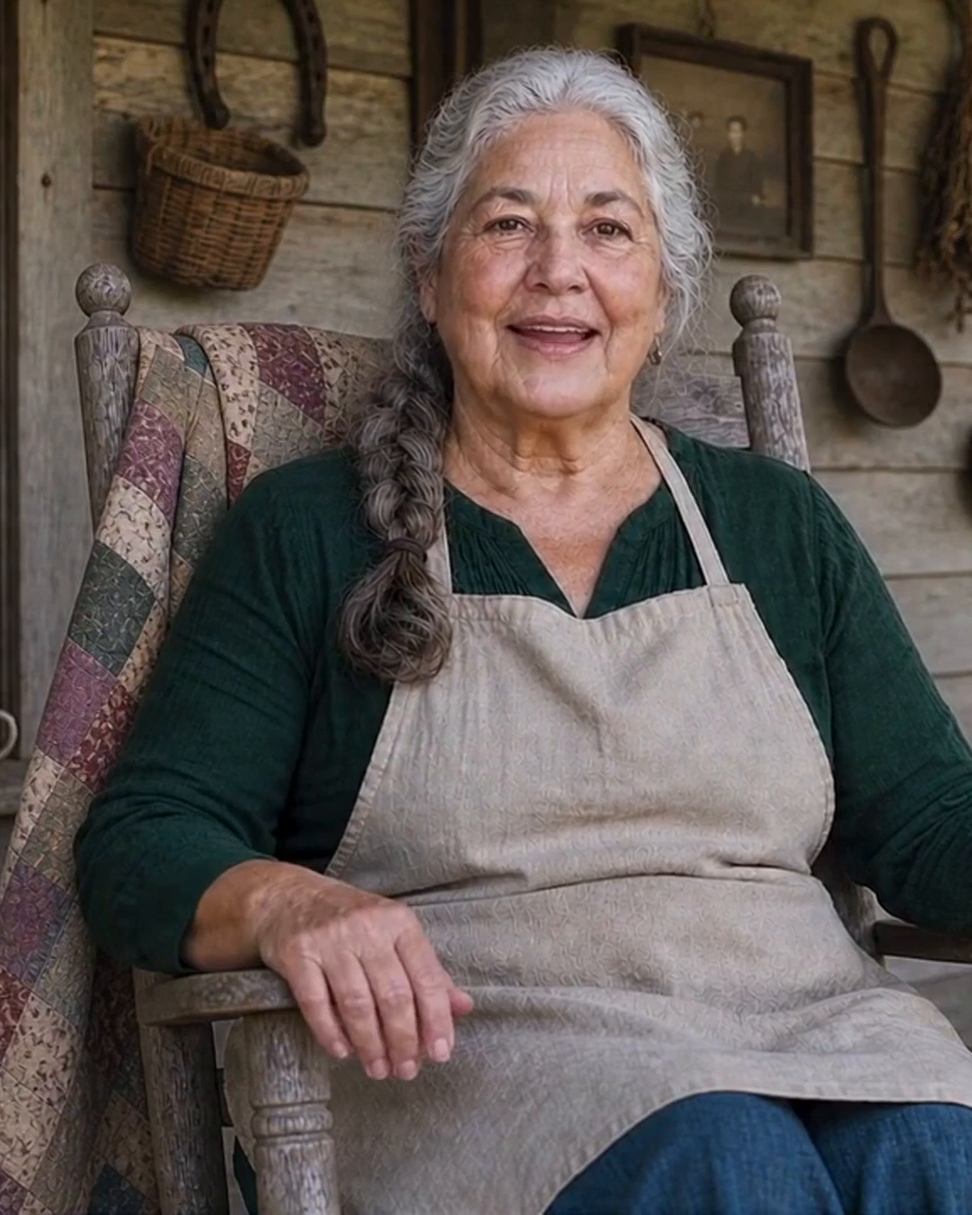 From Mari SellersPractical pantry knowledge, explained plainly
Most kitchen problems are not caused by a lack of recipes.
They happen because an ingredient changed, a method lost its original conditions, or one small decision was never written down.
What you will learn
Each lesson answers five useful questions: what should I do, why does it work, what usually goes wrong, how can I correct it, and what can I use tonight?
Read the bag, diagnose bitterness, and understand what grind changes.
Work out why a pot stays hard and which variables to change first.
Control flour, fat, liquid, handling, and oven heat with confidence.
Build a complete meal in the order each ingredient actually needs.
Separate useful care from folklore, unsafe advice, and false promises.
Plan seven suppers, use leftovers deliberately, and buy for real gaps.
The Mari Sellers method
This is not another collection of perfect photographs and rigid recipes. It teaches you to notice condition, heat, timing, texture, and purpose so you can make a sound decision when the ingredients in front of you do not match the ones on the page.
Fresh, stale, fine, coarse, dry, crowded, cold, or already cooked.
Change one thing instead of rescuing blindly.
Turn one good supper into knowledge you can use again.
A useful pantry is measured by whether the shelf becomes supper.
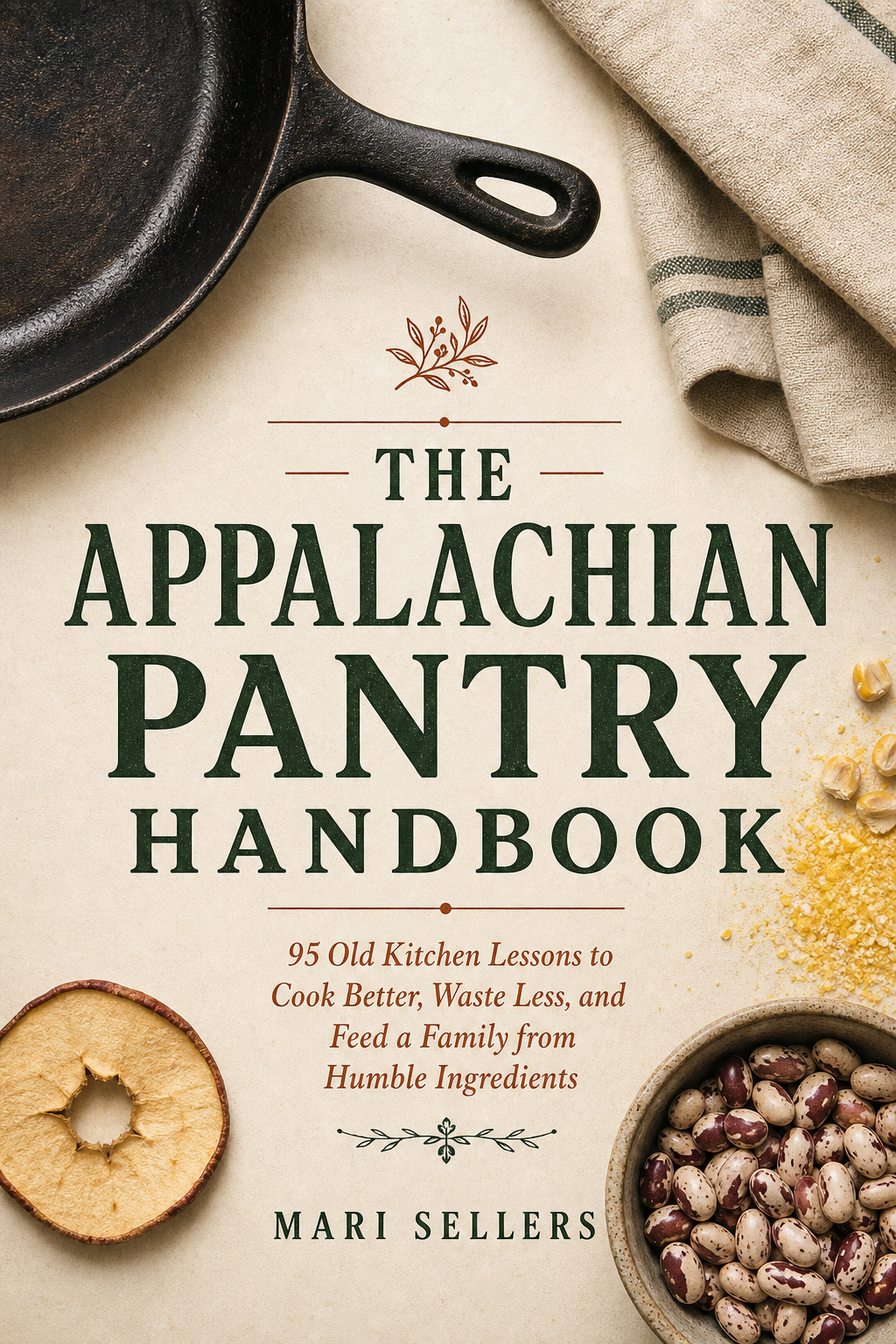
The Appalachian Pantry Handbook
One complete digital handbook
Read it on a tablet while you cook or print the worksheet pages for a kitchen binder.
Tradition with a modern safety boundary
The handbook separates documented regional practice from broader tradition, explains where modern safety guidance controls the answer, and points readers to current federal and extension sources for higher consequence decisions.
The quiet cost of food that never becomes a meal
The U.S. Environmental Protection Agency estimates that food waste costs the average American consumer $728 a year. For a household of four, that is about $2,913 a year, or $56 every week.
This handbook helps you plan suppers around what is already on the shelf, give leftovers a deliberate second use, and diagnose a failed dish before automatically throwing it away.
EPA ESTIMATED COST OF FOOD WASTE
$26.01 less than one average week of wasted food
Price comparison only. Individual food waste and savings vary. The handbook does not guarantee savings.
Source: U.S. EPA, 2025 consumer food waste estimateIntroductory edition
Get the full 515 page PDF, including 250+ lessons, printable practice pages, planners, case files, glossary, and trusted resource directory.
The Appalachian Pantry Handbook
Introductory price, one time payment
Secure checkout, PDF delivered after purchase
Before you buy
It is a method first kitchen handbook. It uses practical examples to teach ingredient behavior, failure diagnosis, and safer decisions.
No. The regional material provides context, but the practical lessons apply to any cook working with humble pantry ingredients.
Yes. Purchasers may print the handbook and its worksheets for personal household use.
No. It explains safety boundaries and directs readers to current tested processes from authoritative sources.